Deciding on the best feature wall for your living room? Compare Fluted Wall Panels, Wallpaper, and 3D Wall Cladding for TV background walls in Kenya—including 2026 prices, durability, and cable management.
The TV accent wall is the focal point of any modern living room. Whether you are moving into a new apartment in Kilimani, renovating a family home in Kiambu, or finishing a townhouse in Syokimau, upgrading the wall behind your television instantly elevates your entire entertainment space.
Choosing between Fluted Wall Panels, Wallpaper, and 3D Wall Cladding depends on your budget, style, and whether you need to hide a web of messy TV cables.
📊 Quick Comparison: At-a-Glance Summary
| Feature | Fluted Wall Panels (WPC / MDF) | Wallpaper (Vinyl / Non-Woven) | 3D Wall Cladding (PVC / Fiber Tiles) |
| Average Cost in Kenya | KSh 1,500 – KSh 3,500 / sqm | KSh 800 – KSh 2,500 / roll (5.3 sqm) | KSh 1,200 – KSh 2,800 / sqm |
| Cable Concealment | Excellent (Deep channels hide wires) | Poor (Requires wall channelling) | Moderate (Small cavity behind panels) |
| Lifespan & Durability | 10–15+ Years (Water & termite-proof) | 3–7 Years (Vulnerable to dampness) | 7–12 Years (Easy to wipe clean) |
| Installation Difficulty | Medium (Adhesive & concealed clips) | Easy to Medium (Paste & smooth) | Easy (Glue or double-sided tape) |
| Aesthetic Vibe | Warm, architectural, luxury wood slat | Patterned, versatile, minimalist | Geometric, modern, dramatic texture |
1. Fluted Wall Panels (WPC / MDF)
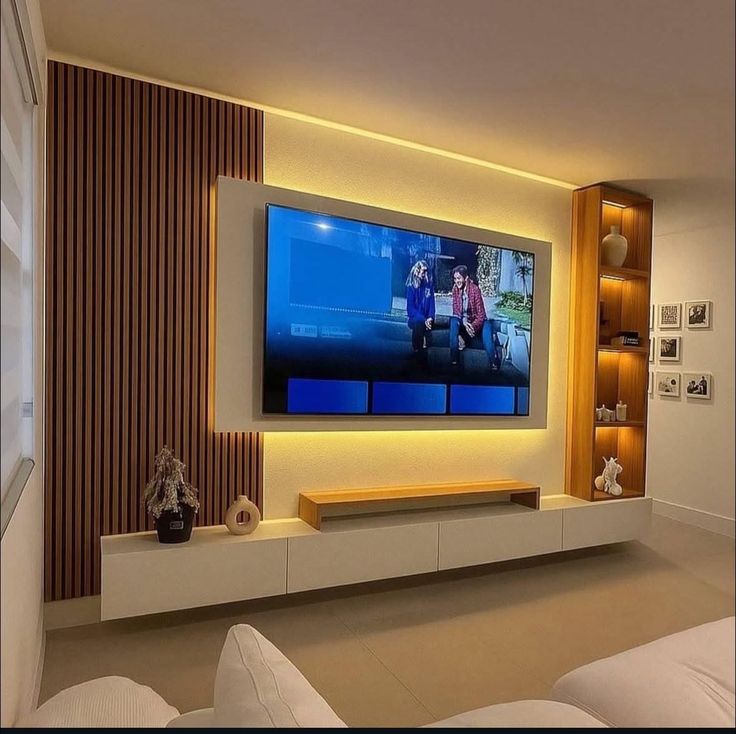
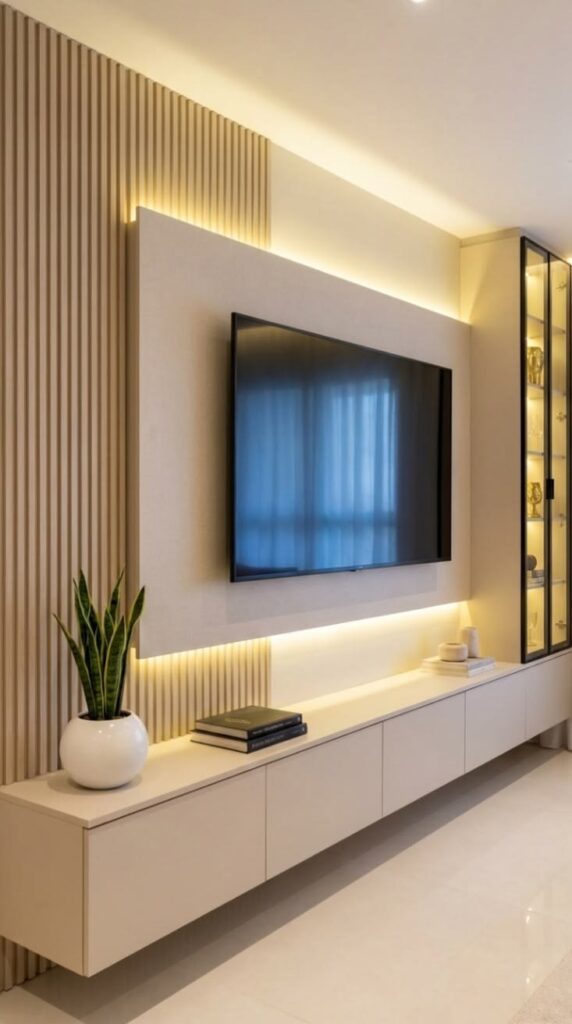
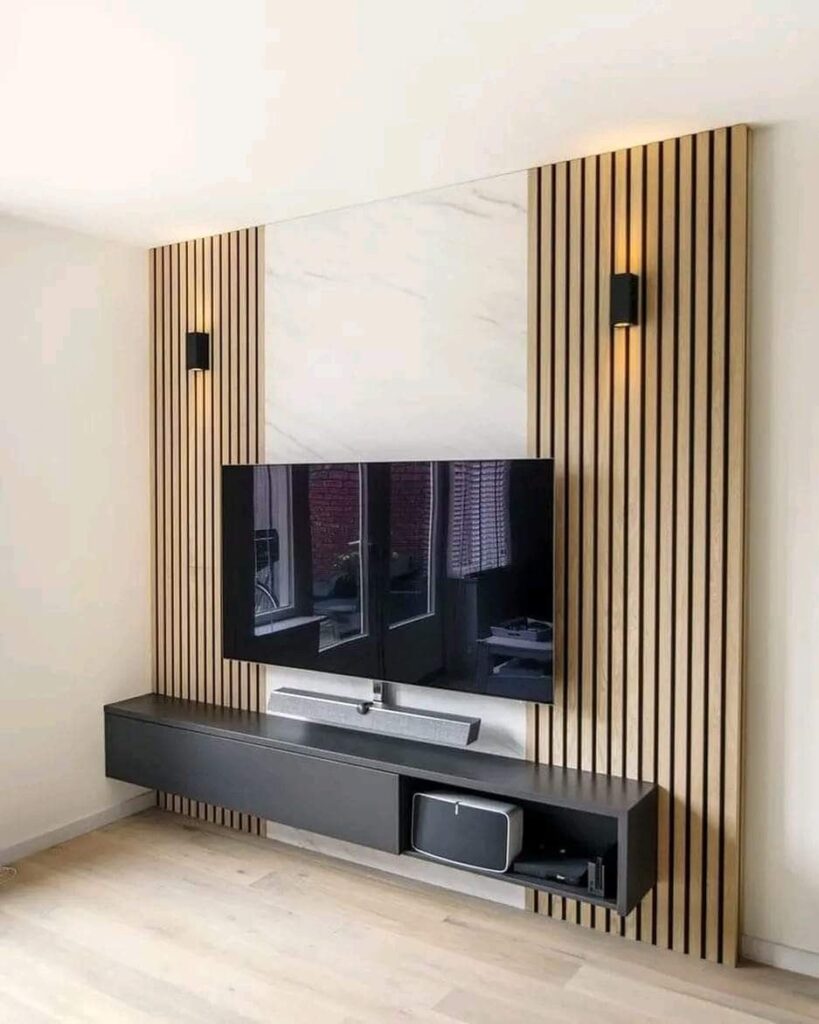
Fluted panels (often made of Wood-Plastic Composite or MDF) feature vertical ridges that bring texture, depth, and a high-end architectural feel to living rooms.
They are currently the most popular choice for modern entertainment units across Nairobi.
Pros of Fluted Panels
Built-in Cable Management: The vertical channels and hollow backing make it easy to run HDMI cords, power cables, and extension wires behind the panels without cutting into your concrete or stone walls.
Extreme Durability: WPC fluted panels are waterproof, fire-retardant, and resistant to termites—making them ideal for long-term use.
Complements LED Lighting: The deep grooves catch ambient light beautifully when paired with warm LED strip lights or profile channels.
Cons of Fluted Panels
Higher Upfront Cost: At KSh 950 to KSh 1,800 per panel (or roughly KSh 1,500 to KSh 3,500 per square meter), they represent a higher initial investment than basic wallpaper.
Requires Precise Cutting: Fitting panels around electrical sockets or TV wall brackets requires a fine saw or power tools.
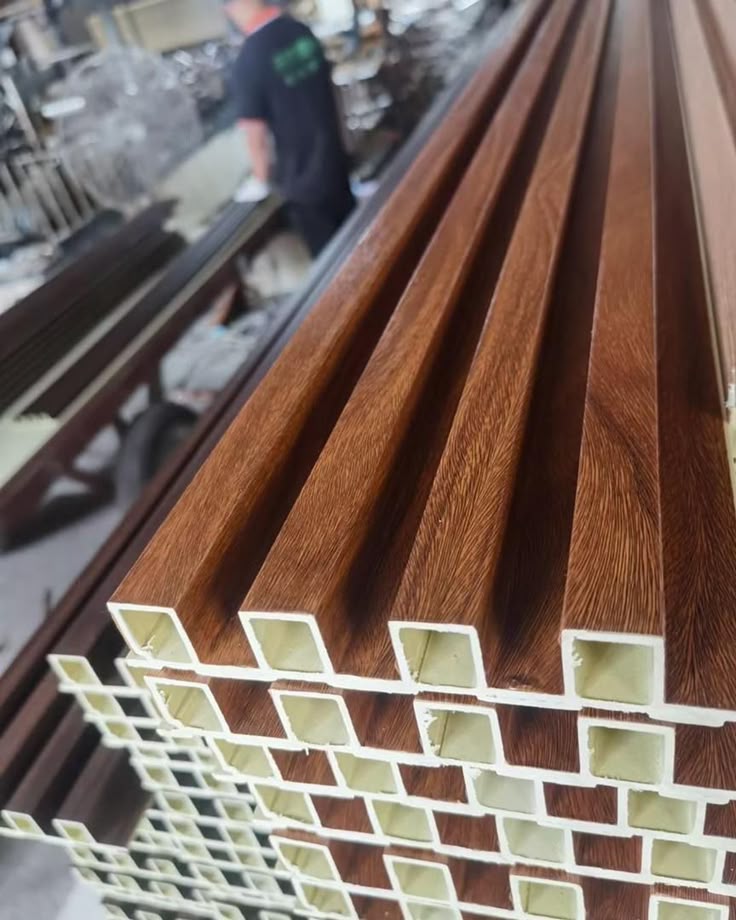
Flute Panels
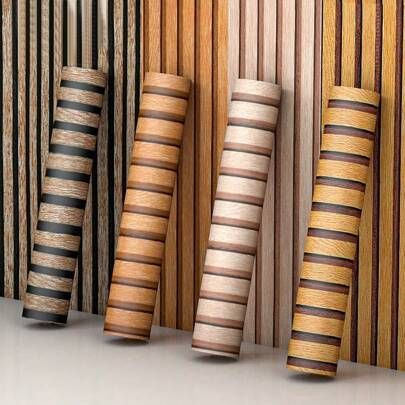
Wallpapers
2. Wallpapers
Wallpaper remains a flexible, budget-friendly solution for adding color, texture, or pattern to a TV background wall without structural modifications.
Pros of Wallpaper
Budget-Friendly: Standard 10-meter rolls start as low as KSh 800 to KSh 1,500. One or two rolls can often cover an entire accent wall behind a TV setup.
Massive Design Variety: Choose from marble finishes, exposed brick prints, concrete textures, or subtle damask patterns.
Space-Saving: Adds zero thickness to your wall, making it ideal for narrow living rooms or tight spaces.
Cons of Wallpaper
Zero Cable Concealment: Wallpaper cannot hide dangling TV cables. Unless your electrician has already chased wires inside the wall, cables will remain visible.
Moisture Sensitive: If your home suffers from rising dampness or water seepage through exterior walls, wallpaper will peel or bubble over time.
3. 3D Wall Cladding Panels
3D wall panels are lightweight, textured square tiles (usually 30cm x 30cm or 50cm x 50cm) made from PVC, plant fiber, or acoustic foam. They create bold, repeating geometric patterns that pop under accent lighting.
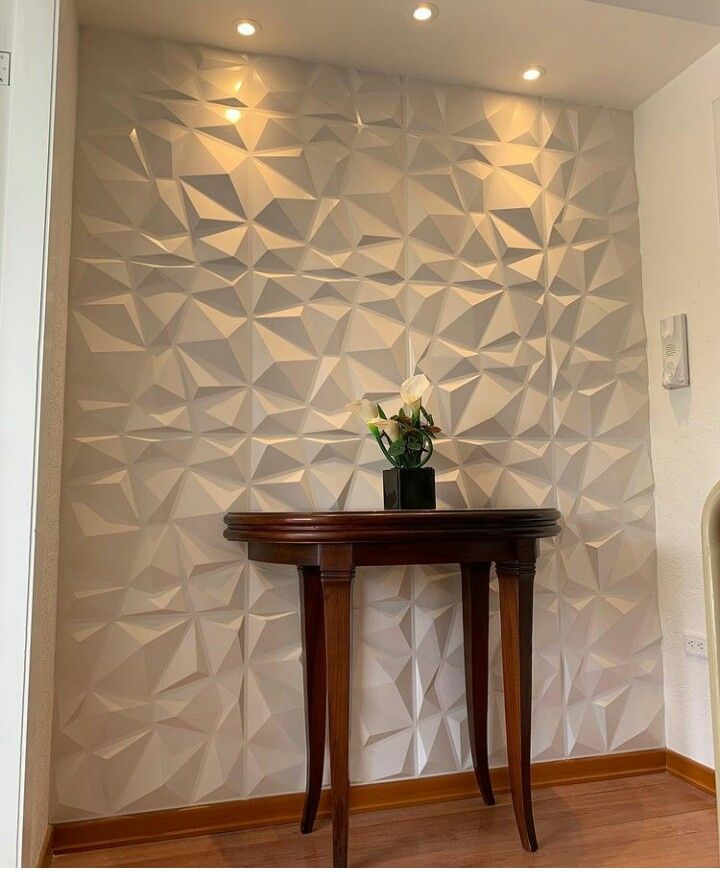

Pros of 3D Wall Cladding
Dramatic Visual Impact: Adds instant dimension to flat walls, transforming a plain living room into a contemporary showroom style.
Lightweight & Easy to Install: Panels stick directly to the wall using strong construction adhesive or contact cement.
Paintable Surfaces: Most PVC and plant-fiber 3D panels come in neutral white, allowing you to paint them in any color—such as charcoal grey, navy blue, or warm cream—to match your decor.
Cons of 3D Cladding
Dust Accumulation: The deep geometric ridges collect dust over time, requiring regular wiping with a microfiber cloth or vacuum brush attachment.
Limited Cable Hiding: While slightly hollow, 3D tiles adhere flat against the wall, leaving little room for thick power bricks or multiple cables.
💡 How to Handle TV Mounting & Cable Hiding
Mounting a heavy 55-inch or 65-inch Smart TV requires proper structural support regardless of the wall finish you choose:
Mount to the Main Wall First: Never hang your TV bracket directly onto hollow WPC panels, thin 3D tiles, or wallpaper. Always anchor the TV wall bracket into the solid brick or concrete wall behind the decorative finish.
Combine Materials for a Custom Look: The most trending TV wall design in Kenya combines WPC fluted panels on the sides with a smooth marble-effect UV sheet or painted board in the center behind the TV.
Plan Socket Locations: Position your power outlets and antenna ports directly behind where the TV screen will sit to keep all connections hidden out of sight.
🏆 Final Verdict: Which Should You Choose?
Choose Fluted Wall Panels if: You want a modern, luxury look, need to conceal hanging TV cables easily, and want a durable finish that lasts over 10 years.
Choose Wallpaper if: You are renting, working with a tight budget, or already have hidden electrical conduits built inside your wall.
Choose 3D Wall Cladding if: You want a bold geometric feature wall, like playing with directional spotlighting, and don’t mind light dusting maintenance.