Deciding between MDF, Marine Board, and Hardwood for your kitchen cabinets in Kenya? Compare costs, moisture resistance, durability, and the best hybrid combination for Nairobi homes.
A kitchen renovation is one of the biggest investments you will make in your home, and your choice of cabinet material determines whether your kitchen lasts 15 years or swells up after the first plumbing leak.
Choosing the right material for kitchen cabinets in Kenya comes down to managing heat, daily cooking steam, and unexpected moisture under the sink.
📊 At-a-Glance Material Comparison
| Feature | MDF (Medium-Density Fibreboard) | Marine Board (Marine Plywood) | Solid Hardwood (Mahogany, Mvule) |
| Moisture Resistance | Low to Moderate (High in MR-MDF) | Excellent (Waterproof glue) | Moderate (Requires sealant) |
| Screw Holding Power | Moderate | High | Very High |
| Surface Finish | Ultra-Smooth (Ideal for paint/laminate) | Textured / Veneer (Needs laminate/veneer) | Natural Grain / Varnish |
| Avg. Cost (Fitted per Linear Meter) | KSh 16,000 – KSh 26,000 | KSh 22,000 – KSh 38,000 | KSh 40,000 – KSh 70,000+ |
| Best Used For | Upper cabinets, door fronts, dry zones | Sink carcasses, base units, wet zones | Luxury statement doors, feature islands |
| Expected Lifespan | 5 – 10 Years | 10 – 20+ Years | 20+ Years |
1. MDF (Medium-Density Fibreboard)
MDF is an engineered wood board manufactured by compressing fine wood fibers with resin binder under high pressure and heat. Because it lacks a natural wood grain, it provides a perfectly flat, uniform surface that does not warp easily.
Pros of MDF
-
Flawless Smooth Finish: MDF takes spray paint, high-gloss polyurethane, and high-pressure laminates far smoother than natural timber or plywood.
-
Cost-Effective: It is significantly cheaper than solid hardwood or marine board, making it popular for budget-conscious home renovations.
-
Design Flexibility: Easy to machine and cut into modern handleless styles, shaker doors, and routing patterns.
Cons of MDF
-
Vulnerable to Water: Standard MDF acts like a sponge if water penetrates exposed edges, causing the board to swell, crumble, and lose structural strength.
-
Lower Screw Retention: Repeatedly removing or tightening hinge screws can strip the internal fiber bonds over time.
Pro Tip: If using MDF, specify Moisture-Resistant MDF (MR-MDF)—distinguishable by its green-tinted core—for kitchen door fronts to withstand daily steam.
2. Marine Board (Marine-Grade Plywood)
Marine board is a premium grade of plywood constructed from cross-laminated wood veneers bonded with waterproof phenolic resin adhesives. It is engineered specifically to endure severe humidity and direct contact with water without delaminating or rotting.
Pros of Marine Board
-
Maximum Waterproofing: Excellent for under-sink units where pipe leaks, dampness, or sink overflows frequently ruin cheaper boards.
-
Superior Structural Strength: Cross-layered veneers give marine plywood high tensile strength, preventing heavy granite or quartz countertops from sagging.
-
Long-Term Durability: Holds cabinet hinges, drawer runners, and heavy storage loads tightly over decades of daily use.
Cons of Marine Board
-
Higher Price Point: Marine plywood carries a price premium compared to standard particleboard or basic MDF.
-
Requires Surface Finishing: The surface has a natural wood grain texture, meaning it must be faced with laminates, acrylic, or wood veneer sheets for a modern look.
3. Solid Hardwood (Mahogany, Mvule, Teak, Cypress)
Solid timber cabinets are built using natural hardwood planks sourced, seasoned, and joined together by master carpenters. Hardwood remains a top choice for traditional, rustic, and high-end luxury kitchens across Kenya.
Pros of Solid Hardwood
-
Unmatched Aesthetic Elegance: Offers rich, natural wood grain patterns and warm tones that synthetic boards cannot replicate.
-
Exceptional Longevity: Hardwood cabinets can be sanded down, repaired, and refinished multiple times over 20 to 30 years.
-
High Resale Value: Adds genuine value and prestige to residential real estate properties.
Cons of Solid Hardwood
-
Most Expensive Option: Material costs for seasoned timber and intensive carpentry labor make hardwood the highest upfront investment.
-
Susceptible to Expansion & Warping: If the timber is not properly seasoned before construction, seasonal humidity shifts in Nairobi can cause doors to expand, stick, or hairline-crack.
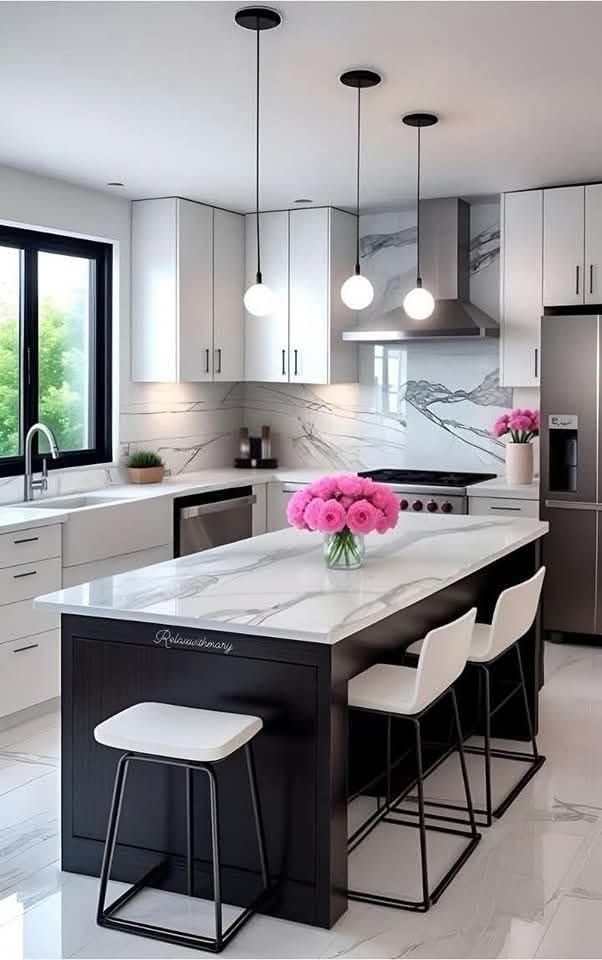
💡 The “Hybrid” Strategy: What Professional Designers Recommend
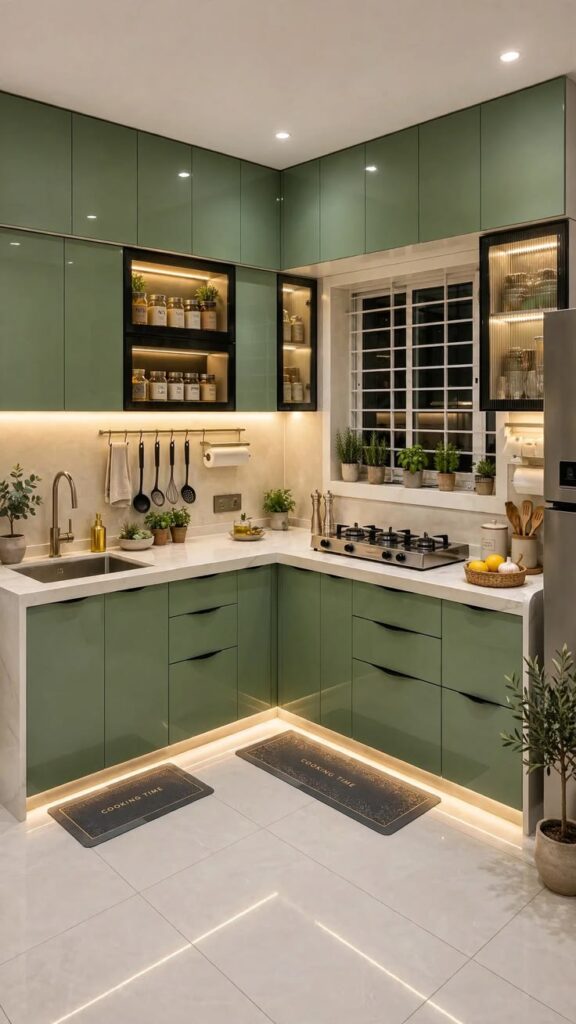
You do not need to build your entire kitchen out of a single material. The smartest way to balance your budget while guaranteeing water resistance is a Hybrid Cabinet Build:
-
Base Carcass & Sink Zones $\rightarrow$ Marine Board: Use marine-grade plywood for the lower cabinet frames, base boxes, and especially the sink unit. This protects your kitchen against accidental leaks and water spills.
-
Door Fronts & Drawers $\rightarrow$ MR-MDF with Laminate/Acrylic: Use moisture-resistant MDF for cabinet doors and visible panels to achieve smooth, contemporary finishes at a reasonable price.
-
Upper Dry Cabinets $\rightarrow$ Standard MDF or Blockboard: Use standard MDF for high-wall cabinets away from moisture to save on material costs.
-
Statement Accent Pieces $\rightarrow$ Solid Hardwood: Reserve rich mahogany or mvule timber for a central kitchen island base, floating breakfast bar, or decorative open shelving.
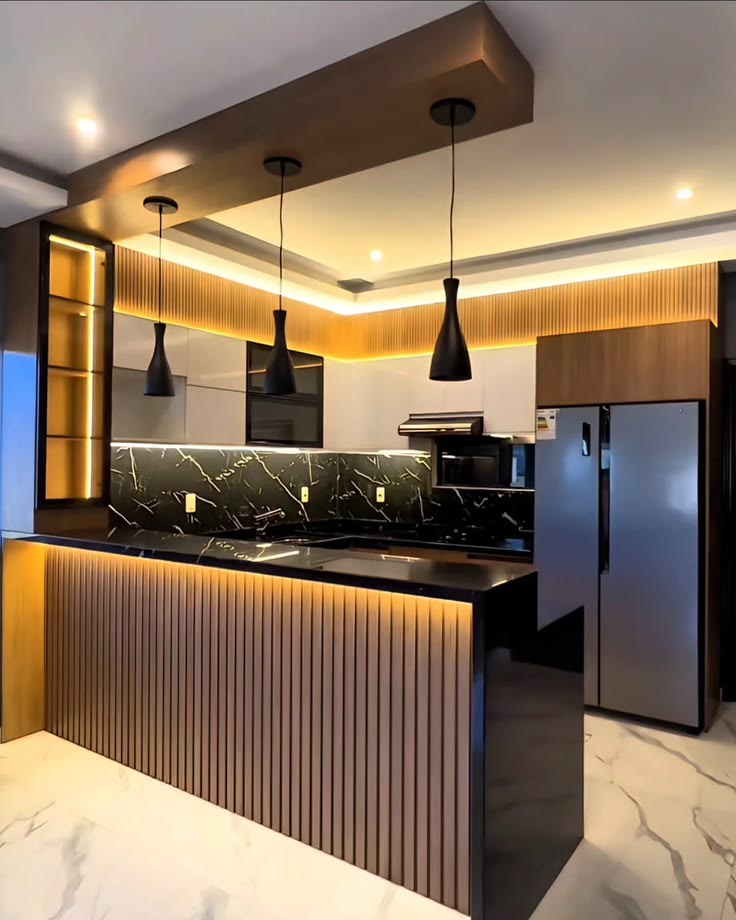
⚠️ 4 Common Kitchen Cabinet Mistakes to Avoid in Kenya
-
Skipping Edge Banding: Unsealed board edges absorb ambient humidity. Ensure your contractor uses 2mm PVC edge banding glued with hot-melt adhesive on all cut edges.
-
Buying Cheap Hardware: High-grade Marine Board will still fail functionally if supported by cheap, non-soft-close hinges that rust after six months. Invest in stainless steel or hydraulic soft-close hardware.
-
Using Particleboard Under Sinks: Chipboard/particleboard is the cheapest material on the market but disintegrates quickly when exposed to moisture. Avoid using it for lower kitchen units.
-
Ignoring Ventilation: Always include ventilation slots near refrigerator housings and cooktop zones to prevent heat buildup from degrading glue bonds.
Final Verdict: Which One Should You Buy?
-
Choose MDF if: You want a sleek, modern painted or lacquered look for upper cabinets and doors on a moderate budget.
-
Choose Marine Board if: You want a durable, water-resistant kitchen carcass that will withstand leaks and heavy daily use for decades.
-
Choose Hardwood if: You are building a luxury, timeless kitchen and want natural wood aesthetics that can be refinished in the future.